

Oral Health Milestones: What Families Should Expect from Kids to Seniors
Every stage of life requires a different dental health strategy to ensure that your teeth remain healthy until a ripe old age, like avoiding smoking or vaping when you are a teenager, or taking care to go to the dentist every six months when you are in your 40s and 50s.
Oral health is a lifelong journey that evolves with age. From a child's first tooth to the changing dental needs of older adults, each stage of life brings unique milestones, challenges, and opportunities for prevention. Understanding what to expect at different ages helps families take a proactive approach, protecting not only teeth and gums but also overall health and quality of life.
This teeth maintenance guide walks through key oral health milestones from early childhood through the senior years, offering oral health tips for families caring for loved ones at every stage.
Early Childhood: Building The Foundation (Ages 0-5)
Oral health begins earlier than many parents realize. Even before the first tooth appears, good habits matter. The key milestones are:
- First tooth typically erupts around 6 months
- Full set of baby teeth usually present by age 3
- Firstdental visit recommended by age 1
What Families Should Expect
Baby teeth play a crucial role in speech development, chewing, and guiding permanent teeth into place. Early cavities, often called early childhood caries, are more common than many parents expect, especially when sugary drinks or prolonged bottle use are involved.
These are the best practices:
- Clean gums with a soft cloth before teeth erupt
- Brush twice daily with a rice-sized amount of fluoride toothpaste
Early prevention sets the stage for healthy habits later in life.
School-Age Years: Protecting Growing Smiles (Ages 6-12)
This stage is marked by the transition from baby teeth to permanent teeth. Some key milestones are:
- First permanent molars appear around age 6
- Mixed dentition phase (baby and adult teeth together)
- Orthodontic evaluations often begin
What Families Should Expect
Children may experience an increased risk of cavities as they gain independence with brushing and consume more snacks. Sealants and fluoride treatments often become important tools during this phase. Here are the best practices:
- Supervise brushing until proper technique is mastered
- Encourage flossing once teeth touch
- Maintain regular dental checkups every six months
Parents play a vital role in reinforcing consistency and accountability during these years.
Teen Years: Balancing Independence And Prevention (Ages 13-19)
Adolescence brings lifestyle changes that can affect oral health. Some key milestones are:
- Completion of permanent teeth (excluding wisdom teeth)
- Orthodontic treatment often completed or ongoing
- Wisdom teeth monitoring begins
What Families Should Expect
Teens may face increased risks from sugary drinks, sports injuries, vaping, or inconsistent oral care. Hormonal changes can also make gums more sensitive. They can also havedental emergencies when they play sports.
These are the best practices:
- Emphasize the importance of daily brushing and flossing
- Use mouthguards for sports
- Monitor wisdom teeth development with dental X-rays
A lot of teens think that vaping is safer than smoking when it comes to their teeth, but that isn't so. Even if they are using vapes without much nicotine in them, they still contain chemicals that can cause gum inflammation and disease.
Helping teens understand the long-term impact of oral health choices is essential. A lot of teens don't understand the importance of taking care of their teeth, and they also have habits of consuming junk food, drinking soft drinks, and more.
It's important to educate them now, so they can bring those good habits into adulthood.
Young Adulthood: Maintenance And Awareness (Ages 20-39)
This stage focuses on maintaining oral health amid busy lifestyles. Here are the key milestones:
- Wisdom teeth removal may occur
- Early signs of gum disease may appear
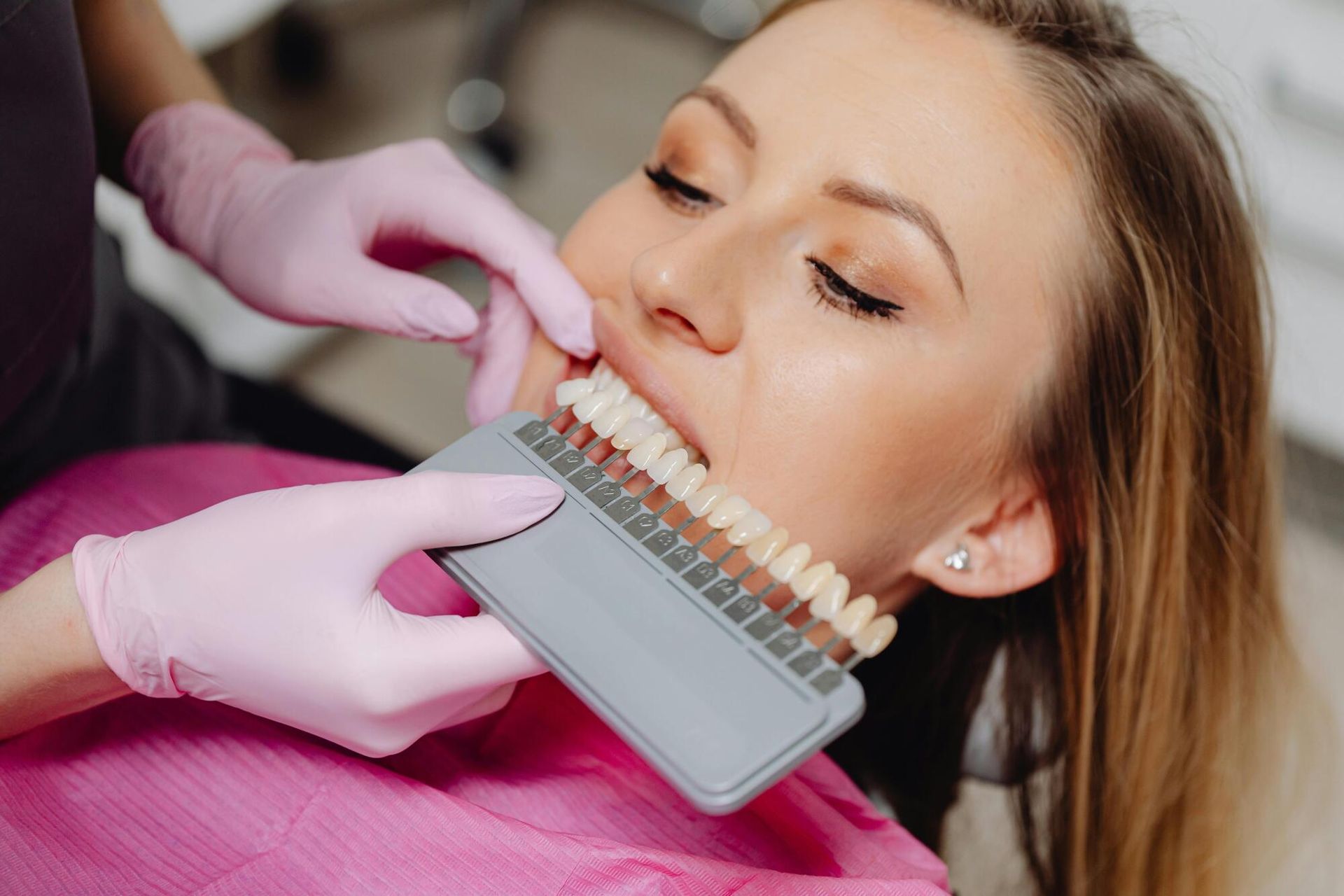
- Cosmetic dentistry becomes more common, such asgetting braces or Invisalign
What Families Should Expect
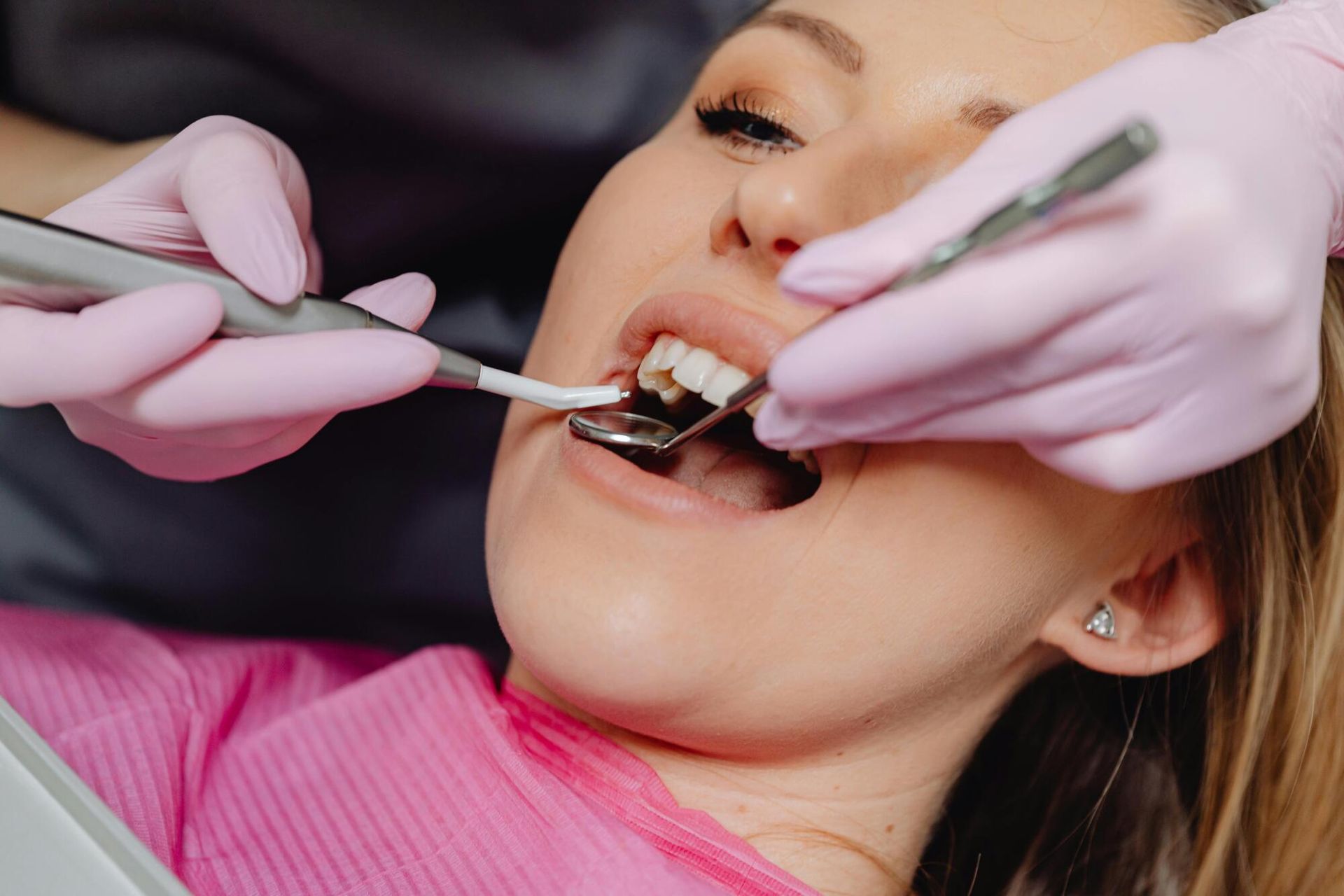
Many adults skip dental visits due to work, finances, or family responsibilities. However, this is often when early gum disease and enamel wear begin. Some best practices to be cognizant of:
- Schedule regular cleanings and exams
- Address grinding or clenching issues
- Avoid tobacco products (try to quit as much as possible, or reduce usage)
Preventive care during this stage can help avoid more serious problems later.
Midlife: Managing Change And Prevention (Ages 40-64)
As the body changes, so does oral health. Here are some key milestones:
- Increased risk of gum disease
- Higher likelihood of restorations like crowns or fillings
- Possible dry mouth from medications
What Families Should Expect
Gum recession, tooth sensitivity, and chronic conditions such as diabetes can impact oral health. Many adults begin managing multiple medications, which may affect saliva production.
Here are some best practices:
- Monitor gum health closely
- Stay hydrated and address dry mouth symptoms
- Inform dentists about all medications and health conditions
Oral health becomes increasingly connected to overall health during midlife.
Senior Years: Preserving Comfort And Function (Ages 65+)
Oral health in older adulthood focuses on comfort, function, and quality of life. Here are some key milestones to be aware of:
- Increased risk of tooth loss and gum disease
- Higher prevalence of dry mouth
- Greater need for restorations, dentures, or implants
What Families Should Expect
Aging does not mean inevitable tooth loss, but seniors may face challenges related to mobility, memory, or chronic illness that affect oral care. Oral health is closely linked to nutrition, speech, and social engagement.
Here are some best practices to keep in mind:
- Maintainregular dental visits, even with dentures
- Assist with daily oral care when needed
- Watch for signs of oral discomfort, infection, or difficulty chewing
Family involvement is often key to maintaining oral health in later years.
The Link Between Oral Health And Overall Wellness
Across all ages, oral health is deeply connected to overall health. Poor oral hygiene has been linked to conditions such as heart disease, diabetes complications, respiratory infections, and cognitive decline in older adults.
By recognizing oral health milestones and responding proactively, families can improve dental hygiene and prevent dental issues at every stage of life.
Supporting Oral Care Routine As A Family
Oral health is not just an individual responsibility; it's a family effort. Modeling good habits, encouraging regular dental visits, and adapting care as loved ones age creates a culture of prevention and awareness.
From first teeth to senior smiles, understanding what to expect makes it easier to provide the right support at the right time.
Frequently Asked Questions
When Should A Child First See A Dentist?
Children should have their first dental visit by their first birthday or within six months of their first tooth erupting. Early visits help prevent cavities and build comfort with dental care.
Choose a family dentist who knows how to deal with younger children, and they will be able to make them comfortable with their first dental visit. It doesn't have to be a scary event. It can even be fun!
Are Baby Teeth Really That Important?
Yes. Baby teeth help with speech, chewing, and guiding permanent teeth into proper alignment. Early tooth loss can lead to long-term dental issues.
How Often Should Adults Get Dental Checkups?
Most adults should visit a dentist every six months, although some may require more frequent visits due to gum health issues or underlying medical conditions. If you can't get to the doctor every six months because of busy schedules, then once a year should be an absolute requirement.
If you don't go to the dentist often enough, it might result in an issue with your teeth that goes unnoticed for too long and results in an even bigger problem down the road.
What Causes Dry Mouth In Older Adults?
Dry mouth is often caused by medications, chronic conditions, or a reduction in saliva production associated with aging. It can increase the risk of cavities and infections.
Make sure that you stay hydrated. Carrying a reusable water bottle around with you and taking a sip every few minutes will help with this issue as well, since a lot of Americans arewalking around dehydrated without being aware of it.
Is Tooth Loss Considered Normal With Aging?
No. Tooth loss is not an inevitable part of aging. With proper care and regular dental visits, many seniors maintain natural teeth for life.
Unfortunately, among those Americans aged 75 or older, 54% have fewer than21 remaining teeth, and for those living in poverty, that figure is around 80%, according to the NIDCR.gov.
How Can Families Help Seniors Maintain Oral Health?
Families can assist with daily oral care, schedule dental appointments, watch for signs of discomfort, and ensure dentures or appliances fit properly. If your elderly parent has dementia, then you need to be even more aware of all of these oral care best practices for them, as they won't be able to take care of themselves on their own.
Can Oral Health Affect Overall Health?
Absolutely. Poor oral health has been linked to heart disease, diabetes complications, respiratory infections, and nutritional deficiencies.
Improve Your Dental Health At Every Age
If you need help transforming your smile or taking care of your dental health at any age, Smile Creators of Bay Harbour is here for you. We focus on patient education, preventative strategies, and long-term oral health for the entire family using advanced technologies and techniques.
Schedule an appointment with our team today.